
Dental implants have transformed how missing teeth are replaced, offering a long-term solution that mimics natural teeth in both function and appearance. Many people wonder whether a dental implant is necessary for their situation or if alternative options, like bridges or dentures, might be sufficient. Understanding the benefits, types, and considerations of dental implants can help guide your decision and ensure the healthiest outcome for your smile. In this article, we’ll explore what dental implants are, how they work, and what makes them a valuable solution for restoring your teeth.
Understand What Dental Implants Are
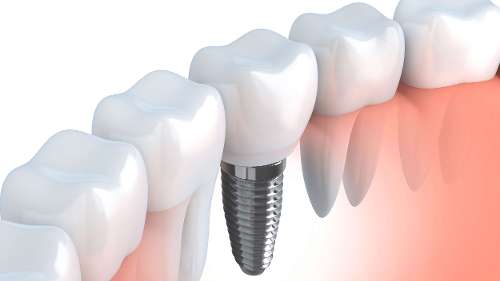
A dental implant is an artificial tooth root that provides a stable foundation for replacement teeth, including crowns and bridges. The implant itself is usually made of biocompatible materials like titanium, which naturally fuses with the jawbone in a process called osseointegration. This fusion creates a durable and reliable base for the tooth restoration. Unlike traditional dentures, dental implants do not rely on neighboring teeth, allowing patients to preserve the structure and integrity of their natural teeth.
Dental implants also help maintain jawbone health. Chewing stimulates the bone, preventing the bone loss that often occurs when teeth are missing. According to the Cleveland Clinic, dental providers in the U.S. place over three million implants each year, demonstrating the popularity and effectiveness of this treatment. With high success rates and lasting durability, dental implants are increasingly chosen by patients seeking both functional and cosmetic benefits.
Trace How Dental Implants Developed
The history of dental implants stretches back centuries, with early civilizations attempting rudimentary tooth replacements.
Today, implants are crafted from titanium or zirconia, offering strong integration with the jawbone. Technological advances like 3D imaging and computer-aided design help dental professionals plan precise placements for optimal outcomes. Innovations in implants allow patients with different bone structures to benefit from this restorative option. Continuous research is expanding possibilities for improved healing and long-term results, making dental implants a highly adaptable treatment.
Explain How Dental Implants Work
A dental implant replaces the root of a missing tooth and acts as an anchor for a dental crown. The procedure starts with implant placement into the jawbone, followed by a healing period to allow osseointegration. Once fused, an abutment connects the implant to a custom-made crown designed to match surrounding teeth in shape, size, and color.
This combination of stability and aesthetics provides functionality that closely mirrors natural teeth. Patients can eat, speak, and smile without worrying about movement or discomfort. Additionally, implants help prevent adjacent teeth from shifting, maintain proper alignment, and stimulate the jawbone, preserving facial structure. The result is a comprehensive solution addressing both oral health and appearance.
Explore Types of Dental Implants Available
There are several types of dental implants to suit different clinical needs:
-
Endosteal Implants: Placed directly into the jawbone, typically shaped like screws or cylinders. These are ideal for patients with adequate bone density.
-
Subperiosteal Implants: A metal framework positioned on top of the jawbone under the gum, useful for those with insufficient bone height.
-
Zygomatic Implants: Anchored in the cheekbone for patients lacking the upper jawbone.
-
Mini-Implants: Less invasive options often used temporarily or when space is limited.
-
Immediate-Load Implants: Allow the crown to be placed soon after surgery, reducing overall treatment time.
Choosing the right implant depends on factors such as jawbone density, oral health, and the desired outcome.
Compare Dental Implants With Other Options
Dental implants provide distinct advantages over dentures and bridges. Unlike removable dentures, implants are fixed and provide superior stability and comfort. They allow patients to enjoy a variety of foods and eliminate the inconvenience of daily removal and cleaning.
Bridges, while effective, rely on surrounding teeth for support, which can compromise their structure over time. Implants stand independently, preserving adjacent teeth. Though implants may require a larger initial investment, their long-term durability often makes them more economical than alternatives that require frequent replacement or adjustment. Patients should weigh convenience, longevity, and oral health when evaluating replacement options.
Restore Functionality and Aesthetics
Dental implants restore full functionality to your teeth, allowing normal chewing, speaking, and smiling. They provide the biting force needed for a varied diet, which contributes to overall nutrition and health. The aesthetic benefits are equally significant, as implants are customized to blend seamlessly with natural teeth, creating a confident, natural-looking smile.
The psychological advantages are also meaningful. Patients with implants often report higher self-esteem and increased comfort in social and professional settings. This restoration of both appearance and function makes dental implants a highly valued solution for individuals facing tooth loss.
Enhance Durability and Longevity
Dental implants are known for their strength and longevity. When cared for properly, they can last a lifetime, unlike bridges or dentures that may require replacement every several years. Titanium implants are resistant to decay and support routine oral hygiene practices similar to natural teeth.
Regular dental visits ensure the health of the implant and surrounding structures. The durability of dental implants not only provides peace of mind but also represents a wise investment in long-term oral health. With their ability to withstand daily wear and tear, implants remain a reliable solution for decades.
Preserve Bone Health
One of the unique benefits of dental implants is their ability to maintain jawbone density. Missing teeth can lead to bone resorption, affecting facial structure and oral health. Implants act as artificial roots, stimulating the jawbone through normal biting and chewing motions.
By preserving bone health, implants prevent the shifting of surrounding teeth and help maintain overall oral integrity. This contributes to a more youthful appearance and supports facial aesthetics. Dental implants, therefore, provide both functional and structural benefits, making them essential for patients concerned about long-term oral health.
Promote Oral Health and Hygiene
Dental implants support optimal oral hygiene because they integrate naturally with the existing teeth. Unlike bridges, implants do not require modification of neighboring teeth, preserving the health of surrounding structures.
Cleaning and maintenance of implants are simple, with routine brushing, flossing, and dental check-ups sufficient for long-term care. Healthy gums and proper hygiene reduce the risk of infection, cavities, and gum disease, reinforcing the importance of implants for both oral and general health.
Identify Ideal Candidates for Dental Implants
Dental implant candidates should generally be in good overall health. Chronic conditions like diabetes or heart disease require careful management, but do not necessarily exclude a patient. Smoking may increase the risk of implant failure, so reducing or quitting prior to treatment is recommended. Certain medications, like bisphosphonates, also require consideration.
Age is not a strict limitation, though younger patients should wait until facial growth is complete. Older adults can benefit from implants provided bone density is adequate or enhanced through grafting. Candidates should have healthy gums and good oral hygiene habits, as well as realistic expectations about the procedure and recovery.
Undergo the Dental Implant Procedure
The dental implant process begins with a consultation and thorough planning. Imaging and evaluation determine the ideal placement and identify any potential complications. Once the plan is established, the implant is surgically placed into the jawbone, usually under local anesthesia.
After a healing period for osseointegration, the abutment and crown are attached. Advanced technologies like computer-guided surgery and high-quality biocompatible materials ensure precise placement and successful outcomes. Following the procedure, routine care and dental visits maintain implant health and longevity.
Dental implants offer a transformative solution for individuals with missing teeth. They restore function, enhance aesthetics, preserve bone health, and improve overall oral hygiene, contributing to a higher quality of life. At Lighthouse Dental, we guide patients through each step of the implant process, ensuring personalized care and long-term results. Our team is committed to helping you regain confidence in your smile with expert dental implant services. Contact us today to schedule a consultation and explore how dental implants can benefit your oral health.