
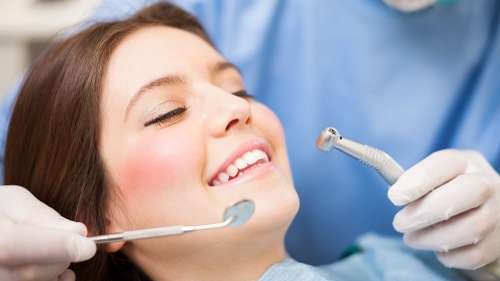
Understanding cavities and their impact on dental health is crucial for maintaining a healthy, confident smile. According to the CDC, one in 10 adolescents (10%) aged 12 to 19 years have at least one untreated cavity, highlighting how common dental issues can be even among younger people. Taking preventive measures early can make all the difference in keeping your teeth strong, healthy, and pain-free over the years. Local dentists emphasize that consistent oral care, combined with regular professional check-ups, is key to preventing decay before it starts. From simple habits like brushing and flossing correctly to making informed dietary choices, there are practical steps anyone can take. Here are seven tips from local dentists that can help transform your dental routine, protect your teeth, and support lifelong oral health.
1. Brush and Floss with Purpose
Brushing and flossing are often seen as simple tasks, but local dentists stress that technique is just as important as frequency. Brushing with fluoride toothpaste helps remove plaque, strengthens enamel, and prevents cavities from forming. Electric toothbrushes can add extra precision and make it easier to reach hard-to-clean areas, especially for people with braces or sensitive gums.
Flossing complements brushing by removing food particles and plaque from between the teeth, areas a toothbrush can’t reach. Doing this at least once daily prevents decay in these vulnerable spaces. Local dentists often recommend taking your time while flossing, gently sliding the floss along the sides of each tooth to avoid gum irritation. Over time, proper brushing and flossing not only prevent cavities but also reduce gum disease, bad breath, and other oral health issues, creating a strong foundation for a lifetime of healthy smiles.
2. Schedule Regular Check-Ups
Regular dental check-ups are a cornerstone of cavity prevention, according to local dentists. Visiting the dentist allows for professional cleanings, which remove hardened plaque that brushing alone cannot eliminate. During these visits, dentists examine your teeth and gums for early signs of decay, providing treatments before minor issues become major problems. Dental X-rays are another critical tool, revealing hidden cavities between teeth or under existing fillings that may not be visible otherwise.
Beyond detection, these visits allow local dentists to provide personalized guidance tailored to your oral health needs. They can recommend fluoride treatments, sealants, or changes in daily routines based on your risk factors. Building a consistent check-up schedule not only protects your teeth from decay but also establishes a relationship with your dentist, making it easier to discuss concerns and maintain long-term dental health. Regular visits are a proactive approach that can save you pain, time, and money down the line.
3. Mind Your Diet
Local dentists emphasize that what you eat has a direct impact on your oral health. Sugary and acidic foods feed the bacteria in your mouth, which produce acids that erode enamel and lead to cavities. Frequent snacking on sweets or sipping sugary drinks throughout the day increases the time your teeth are exposed to these harmful acids. Instead, focusing on a diet rich in fruits, vegetables, whole grains, and dairy products can help maintain strong teeth and support saliva production, which naturally neutralizes harmful acids.
Calcium-rich foods like milk, cheese, and leafy greens strengthen enamel, while crunchy fruits and vegetables act as a natural scrub, cleaning teeth as you eat. Staying hydrated with fluoridated water is also crucial, as it rinses away food particles and supplies minerals that protect enamel. Local dentists often note that making small, mindful dietary adjustments can have a lasting effect on cavity prevention. Pairing healthy eating habits with diligent oral hygiene creates a robust defense against tooth decay.
4. Replace Your Toothbrush Regularly
A toothbrush in poor condition is far less effective at keeping your teeth clean. Worn-out brushes fail to reach all tooth surfaces and remove plaque effectively, which can allow cavities to form unnoticed. After an illness, switching to a new toothbrush prevents reintroducing bacteria into your mouth, reducing the risk of infections and decay.
Electric toothbrushes, in particular, offer additional advantages, such as timed cleaning cycles and built-in pressure sensors that ensure gentle but thorough cleaning. Dentists also stress the importance of choosing a toothbrush with soft bristles, which clean effectively without damaging enamel or irritating gums. Maintaining a high-quality, well-timed toothbrush replacement routine is a simple yet powerful habit that significantly reduces the risk of cavities and supports overall oral health.
5. Consider Fluoride Treatments and Sealants
Fluoride treatments and dental sealants are preventive tools recommended by local dentists for both children and adults. Fluoride strengthens enamel, making teeth more resistant to acid attacks from bacteria and sugary foods. Dentists can apply fluoride in professional treatments during check-ups, providing concentrated protection that complements daily brushing with fluoride toothpaste. These treatments are quick, painless, and highly effective at reducing cavity risk, especially for those prone to decay.
Sealants provide an additional layer of defense, particularly for molars and premolars with deep grooves that are hard to clean. They act as a protective barrier against plaque and acids, ensuring that even hard-to-reach surfaces are defended. Combining fluoride treatments and sealants with regular oral hygiene routines creates a comprehensive, proactive approach to cavity prevention.
6. Address Harmful Habits
Certain habits can undermine your dental health and increase the risk of cavities. Nail biting, teeth grinding, and smoking all contribute to enamel wear, gum disease, and oral infections. Dentists advise patients to identify harmful behaviors and implement strategies to minimize their impact. For instance, custom-fitted mouthguards can prevent damage from nighttime grinding, while quitting smoking improves blood flow to gums and reduces staining and decay risk.
Stress management also plays a key role in reducing harmful oral habits. Techniques such as meditation, exercise, or therapy can decrease the frequency of grinding and nail biting. Dentists stress that addressing these behaviors proactively, rather than reacting to the damage they cause, preserves dental health and contributes to overall wellness. Small lifestyle changes can make a substantial difference in long-term cavity prevention and maintaining a healthy smile.
7. Embrace Technological Tools
Advances in dental technology have made cavity prevention more accessible and effective. Local dentists often recommend smart toothbrushes, water flossers, and dental probiotics as tools to support daily oral care. Smart toothbrushes can track brushing habits and offer feedback, encouraging proper technique and consistency. Water flossers provide a convenient alternative for cleaning between teeth, especially for people with braces or gum sensitivity.
Dental probiotics are emerging as a helpful supplement, promoting a balanced oral microbiome and reducing harmful bacteria. Dentists emphasize that these technological tools complement traditional brushing, flossing, and professional care, creating a holistic approach to oral health. Incorporating modern devices into your routine can make preventive care more engaging and effective, helping ensure that your teeth stay strong, cavity-free, and healthy for years to come.
Following these preventive tips from dentists can dramatically reduce your risk of cavities and help maintain a bright, healthy smile. From proper brushing and flossing to professional treatments, healthy diet choices, and using modern tools, each step plays an important role in protecting your teeth and gums. Staying proactive with your oral care routine not only prevents cavities but also contributes to overall wellness and confidence in your smile. Building habits like regular check-ups, mindful eating, and addressing harmful behaviors ensures that your teeth remain strong for years to come. By working closely with dentists and following their guidance, you can create a personalized plan that fits your lifestyle and keeps your oral health in top condition. Contact Lighthouse Dental today to learn more about how you can protect your oral health and enjoy a lifetime of healthy, radiant smiles.