
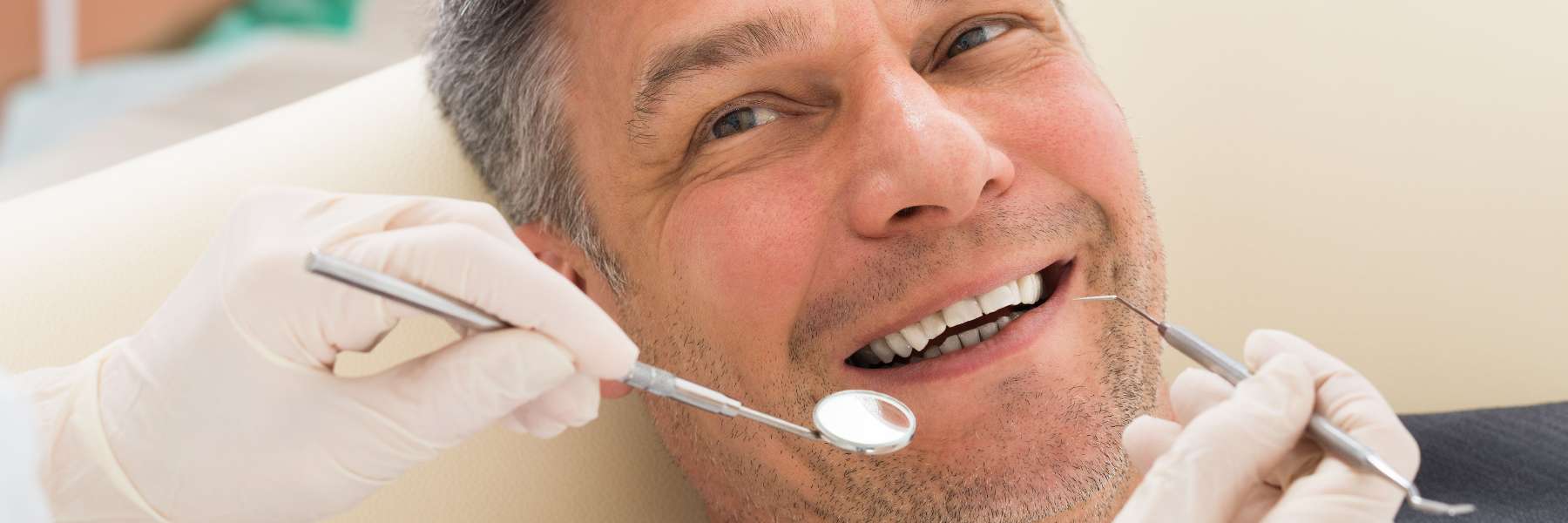

<p>A visit to the dentist is often seen as a chore — something to schedule only when pain or sensitivity appears. But this common mindset overlooks just how vital these visits are for your long-term health. Your mouth is one of the most accurate reflections of your body’s condition, and professional dental care does far more than brighten your smile.</p>
<p>Routine visits allow dentists to identify underlying health issues, prevent disease, and guide you toward better habits that protect your entire body. Beyond oral hygiene, your dentist becomes a key player in your overall well-being. Understanding these deeper benefits helps explain why regular visits matter more than you might think.</p>
<h3>Detect Health Problems Before They Escalate</h3>
<p>One of the greatest advantages of seeing your dentist regularly is the ability to detect problems early — not just in your mouth, but throughout your body. Dentists are trained to spot subtle changes that could point to larger medical concerns. A simple oral exam can uncover signs of diabetes, vitamin deficiencies, autoimmune conditions, or even certain types of cancer.</p>
<p>For example, bleeding or swollen gums often signal more than poor brushing habits. They can indicate issues like high blood sugar or an underlying infection. Sores that don’t heal, chronic dry mouth, or white patches on the tongue may reveal immune or nutritional imbalances. These symptoms are easy to overlook without a professional’s trained eye.</p>
<p>When dentists catch these problems early, patients can receive medical attention before the condition worsens. Early detection doesn’t just save your teeth — it protects your long-term health and can even prevent life-threatening illnesses from progressing.</p>
<h3>Prevent Systemic Disease Through Oral Health</h3>
<p>It’s easy to think of the mouth as separate from the rest of the body, but they are deeply connected. In fact, oral bacteria are known to influence heart health, respiratory conditions, and even cognitive decline. When plaque and tartar build up on your teeth, bacteria can enter the bloodstream through inflamed gums, traveling to other organs and triggering widespread inflammation.</p>
<p>According to the American Heart Association, people with gum disease have a higher risk of developing cardiovascular disease. The same bacteria that irritate gums can damage blood vessels and increase the likelihood of clots or arterial plaque buildup. Similarly, untreated gum disease can worsen diabetes by making blood sugar harder to control.</p>
<p>Regular visits to dentists are crucial for interrupting this process. Professional cleanings remove bacteria that brushing and flossing can’t reach, and exams help spot inflammation before it spreads. These visits don’t just protect your mouth — they safeguard your entire body, reducing your risk of chronic disease and promoting long-term health stability.</p>
<h3>Evaluate Saliva as a Window into Your Health</h3>
<p>Your saliva provides one of the clearest snapshots of your body’s health, and your dentist knows how to interpret it. Saliva keeps your mouth moist, neutralizes acids, washes away food particles, and contains disease-fighting substances that help prevent infection.</p>
<p>According to Colgate, the average person produces 2 to 4 pints of saliva each day, and changes in saliva production can signal health issues. A dry mouth may be a sign of dehydration, certain medications, or autoimmune disorders like Sjögren’s syndrome. Conversely, excessive saliva can indicate acid reflux, oral infections, or even neurological problems.</p>
<p>During your dental visit, saliva testing can help assess pH levels, detect bacterial imbalances, and measure your risk for cavities or gum disease. In some cases, saliva analysis even helps detect hormonal fluctuations or stress responses. Your dentist’s ability to evaluate this simple yet powerful fluid adds another layer to your preventive health care — one that most people rarely consider.</p>
<h3>Maintain Healthy Habits with Professional Guidance</h3>
<p>Even the best home routine benefits from professional input. Many people brush and floss daily but still develop cavities, discoloration, or gum problems because of minor technique errors or lifestyle habits they don’t recognize. Regular dental appointments give you personalized feedback that strengthens your daily oral care.</p>
<p>Dentists can show you how to brush more effectively, recommend products that suit your enamel type, and advise you on foods that protect your teeth instead of harming them. For example, eating foods rich in calcium, vitamin D, and phosphorus helps maintain enamel strength, while limiting sugary snacks reduces bacteria growth.</p>
<p>Beyond hygiene, your dentist can help you identify habits that cause long-term damage — such as teeth grinding, jaw clenching, or using your teeth as tools. They can recommend night guards, fluoride treatments, and other preventive measures that make a real difference. Consistent visits help you develop and maintain habits that keep your mouth — and the rest of your body — healthier for life.</p>
<h3>Protect Your Confidence and Quality of Life</h3>
<p>The health of your smile directly affects how you feel, interact, and even perform in daily life. A healthy mouth boosts self-confidence, improves speech clarity, and allows you to eat comfortably. But when dental problems arise, everything from your diet to your mood can suffer.</p>
<p>Regular visits to dentists help you maintain that confidence. Professional cleanings remove stains, while treatments for decay, gum issues, or alignment concerns preserve both the look and function of your teeth. Dentists can also provide cosmetic enhancements, such as whitening or bonding, that restore your smile’s natural brilliance.</p>
<p>Beyond appearance, your oral health also influences nutrition and digestion. Painful teeth or sensitive gums can make it hard to chew nutrient-rich foods like vegetables, meats, or nuts. Over time, this can affect your energy, metabolism, and immune response. A confident, pain-free smile contributes to your mental, emotional, and physical well-being — making those regular checkups far more valuable than most realize.</p>
<h3>Save Time, Money, and Stress in the Long Run</h3>
<p>One of the most overlooked benefits of routine dental visits is cost savings. Preventive care is always more affordable than corrective treatment. A cleaning and exam every six months might cost less than repairing a single cavity or replacing a damaged tooth later on.</p>
<p>When you delay dental care, small issues like plaque buildup or minor decay can evolve into severe infections or tooth loss. These conditions require expensive procedures like root canals, crowns, or implants — all of which could have been avoided with early intervention.</p>
<p>Dentists also help you track the condition of existing dental work, such as fillings or bridges, ensuring they remain functional for years. This proactive approach saves you time, discomfort, and stress by preventing painful emergencies that interrupt your daily life. In the end, maintaining regular visits is not an expense — it’s a long-term investment in your comfort and peace of mind.</p>
<p>Your mouth is the gateway to your body’s health, and your dentist is your first line of defense against much more than cavities. Regular checkups protect your smile, reveal early warning signs of systemic disease, and keep you feeling your best inside and out.</p>
<p>By staying consistent with your appointments, you allow dentists to catch potential problems early, guide you toward healthier habits, and ensure your oral and overall health remain in sync. A strong, healthy smile isn’t just cosmetic — it’s a reflection of your entire body’s well-being.</p>
<p>Regular visits also empower you with knowledge, giving you confidence in how to care for your teeth and gums daily. Don’t wait for pain or discomfort to take action — prioritize your oral health today with Lighthouse Dental and experience the full benefits of a professional, preventative approach.</p>
<section></section>